

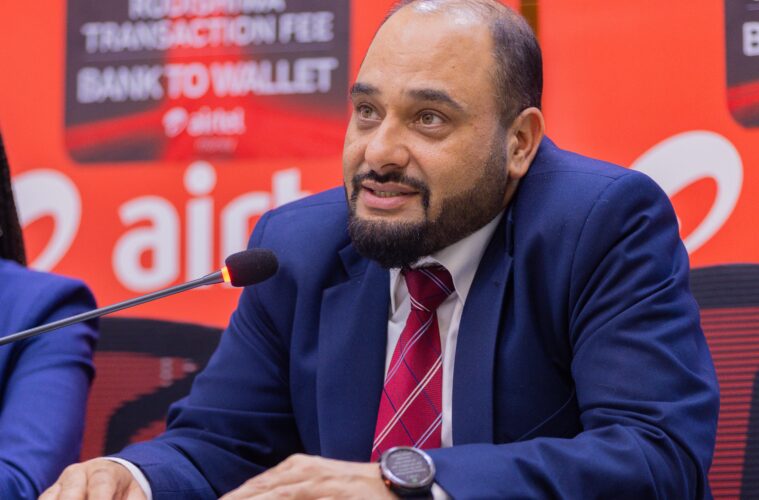
Airtel Kenya has officially launched its fibre-based internet services. The provider, long known for its mobile and data offerings, is now aggressively targeting the home and business broadband segments, previously dominated by Safaricom, Zuku, and Jamii Telecommunications (Faiba).
Airtel’s entry into the Fibre-to-the-Home (FTTH) and Fibre-to-the-Business (FTTB) market comes with a tiered pricing structure designed to undercut premium competitors while matching mid-tier industry standards. The new plans start at an entry-level price of Ksh 1,999, making high-speed internet more accessible to a broader demographic.
The official monthly subscription tiers are:
- 15 Mbps: Ksh 1,999
- 30 Mbps: Ksh 2,999
- 60 Mbps: Ksh 3,999
- 100 Mbps: Ksh 4,999
This commercial rollout is the culmination of significant infrastructure investment. In September 2025, Airtel Kenya broke ground on its $150 million Nairobi Data Centre at Tatu City. According to Managing Director Ashish Malhotra, the fibre rollout is a critical component of the company’s Nxtra initiative, which aims to support cloud services, AI workloads, and more reliable enterprise connectivity across the region.
By integrating fixed broadband into its existing mobile money (Airtel Money) and mobile data infrastructure, the company allows users to manage all their digital needs through a single platform. This move follows the success of the Airtel Smartbox, a fixed wireless solution, which served as a precursor to the more stable and high-capacity fibre technology.
The Airtel fibre service is currently being deployed in a phased rollout. While limited outward marketing has been seen so far, the infrastructure is already active in several key residential hubs within Nairobi, with plans to expand to other major towns throughout the year.
As the fixed internet competition tightens, the ultimate winner remains the Kenyan consumer, who now enjoys more choices, higher speeds, and more competitive pricing than ever before.