

For over a decade, Kenya’s debt clock has been ticking at an alarming rate. However, a landmark legal challenge, Petition E216 of 2025, argues that much of this burden isn’t just a financial strain, it is a constitutional violation.
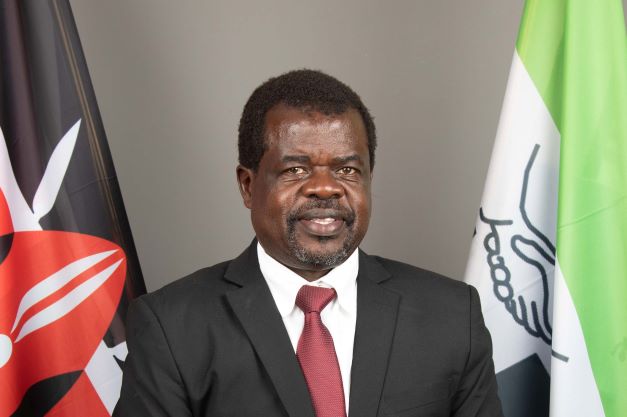
Fronted by Busia Senator Okiya Omtatah, a persistent defender of the Constitution, the petition seeks to distinguish between legitimate sovereign obligations and odious debt incurred by bypassing Kenyan law.
The bedrock of the petition is the assertion that the National Treasury has systematically ignored Article 211 of the Constitution and the Public Finance Management (PFM) Act. Senator Omtatah and his co-petitioners argue that these laws mandate a transparent process for borrowing, requiring:
- Parliamentary Oversight: Every shilling borrowed must be approved via Appropriation Acts.
- Proper Budgeting: Debts must be tied to specific, legislated fiscal plans.
- Public Benefit: Borrowed funds must be utilized for the welfare of the Kenyan people.
The petition alleges that a staggering Ksh. 6.95 trillion in debt, accrued between 2014 and 2024, was incurred outside these legal boundaries, including Eurobonds and other concealed borrowings.
The legal challenge does not seek to cancel all of Kenya’s debt indiscriminately. Instead, it applies a surgical lens to different financial instruments to determine their legality:
- Treasury Bills and Bonds: While short-term Treasury Bills are generally accepted for cash flow management, long-term Treasury Bonds are under scrutiny. Specifically, bonds used to fund recurrent expenditure (salaries and operations) instead of development, or those issued beyond parliamentary limits, are being labeled as unlawful.
- Local Bank Facilities: Domestic debt is not exempt. The petition highlights discrepancies between National Treasury records and Central Bank of Kenya (CBK) data. Any local facility that failed to meet constitutional thresholds is being challenged.
Defining Odious Debt and Personal Liability
The petition introduces a powerful legal concept: Odious Debt. This refers to debt incurred without the consent of the people and without benefiting the public. By declaring the unlawful portion of Kenya’s debt as odious, the legal team aims to:
- Protect the Taxpayer: Ensure Kenyans are not held liable for repaying illegitimate burdens.
- Enforce Personal Accountability: Under Article 226(5) of the Constitution, the petition seeks to hold the officials responsible for these transactions personally accountable for the losses.