

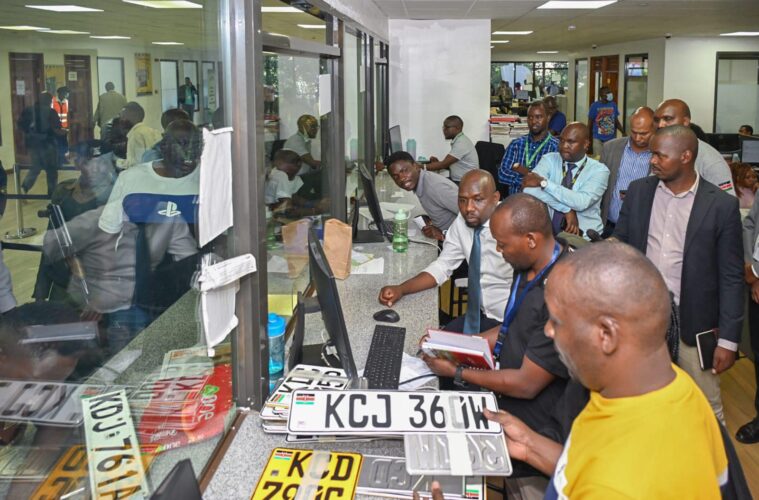
The National Transport and Safety Authority (NTSA) has introduced a specialized Alternative Transfer Process for motor vehicles belonging to deceased individuals, aiming to streamline succession and curb the rising cases of fraudulent transfers.
In a move to protect the integrity of estates, the Authority has mandated that beneficiaries and administrators stop using the standard transfer system on the e-Citizen portal, which requires the consent of the registered owner. Since a deceased person cannot grant digital consent, the new Forced Transfer module ensures that vehicles are only reassigned following legal verification.
The directive comes as a response to numerous legal battles where family members or third parties have illegally transferred and sold vehicles before the formal succession process was completed. By moving these transactions to the Alternative/Forced Transfer category, NTSA can manually verify court documents, ensuring the vehicle is rightfully handed over to the legal heirs.
To facilitate the transfer, administrators of the estate must provide a comprehensive set of legal and identification documents. All files must be scanned into a single PDF format for submission. Key requirements include:
- Legal Grants: A certified Grant of Representation (Probate or Letters of Administration).
- Court Schedule of Assets: A document specifically identifying the vehicle (by registration number) as part of the deceased’s estate.
- Estate Appointment: Official letters appointing the specific administrator(s).
- Civil Documents: A certified Death Certificate and the ID/KRA PIN of the beneficiary.
- Vehicle Records: The original logbook (or a police abstract if lost) and a DCI Tape Lift Report to verify the vehicle’s chassis and engine numbers.
- Formal Request: A sworn affidavit from the successor and a formal letter of request for the transfer.
The step-by-step procedure
Under the new guidelines, the process is handled through the NTSA Service Portal.
- Application: The applicant logs in and selects the “Alternative/Forced Transfer” service under the “Services” tab.
- Submission: After entering vehicle details, the applicant uploads the required PDF documents and selects their preferred logbook collection center.
- Payment: Transfer fees and inspection charges are paid via the e-Citizen platform. Fees are calculated based on the engine capacity (CC) of the vehicle.
- Verification & Inspection: Approximately seven days after submission, the applicant must book an inspection. The vehicle must be presented physically at an NTSA center, along with the hard copies of the documents uploaded during the application.
- Logbook Issuance: Once the inspection and documents are approved, the new logbook is typically processed within three working days.
The NTSA has cautioned the public against attempting to bypass this process. Using the credentials of a deceased person to perform a “normal” transfer is considered a criminal offense. Furthermore, vehicles involved in succession disputes or those transferred without following this protocol risk being flagged or blacklisted by the Authority, making them impossible to insure or operate legally on Kenyan roads.