

In the 19th century, Kenya was shaped by the arrival of British colonialists. Over a century later, a different kind of arrival redefined the nation’s cultural landscape: the Bronx-born movement of hip hop.
Originally released in 2005, the landmark documentary Hip Hop Colony offers a masterclass in musical anthropology, capturing a pivotal moment when Kenya was navigating its post-colonial identity through the lens of a global youth revolution.
Produced by Black Medley Entertainment and Emerge Media Films, and directed by the visionary Michael Wanguhu, the film is more than just a music documentary; it is a vital archive of a transformative era in East African history.
Wanguhu’s film explores a provocative parallel between historical colonization and the modern invasion of hip-hop. However, unlike the forced imposition of British rule, hip-hop’s entry into Kenya was characterized by what the film calls its “chameleon-like quality.”
By the late 1990s and early 2000s, hip-hop had become a pervasive force. Facilitated by the media, described by Wanguhu as the railroad of influence, the culture traveled swiftly through urban centers, connecting Kenyan streets to a global movement. As the documentary notes, this presence was welcome and widely embraced, serving as a tool for youth to reclaim their narrative.
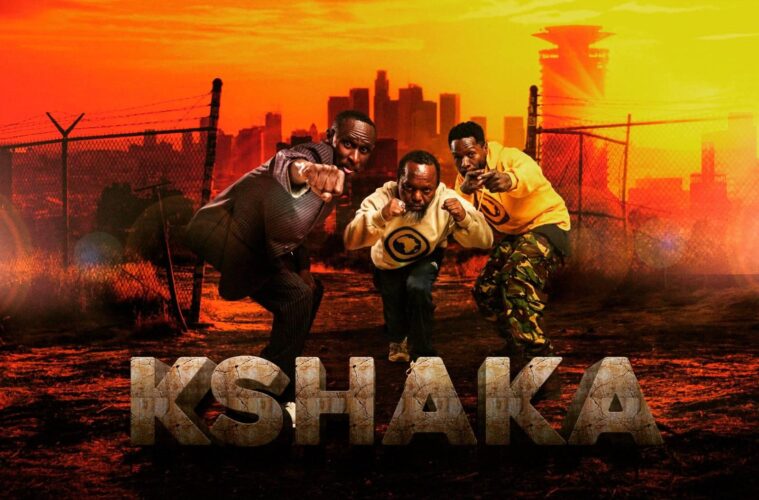
Hip Hop Colony serves as a definitive record of the pioneers who moved Kenyan music from imitation to innovation. The film features intimate profiles and performances from the icons who dared to rap in their own tongues, including:
- Kalamashaka (Kama, Johny Vigeti, and Roba): The Dandora-based pioneers credited with grounding the genre in gritty, socio-political reality.
- Bamboo: A central figure who navigated the bridge between the diaspora and the local scene.
- Hardstone: A pioneer who successfully fused reggae, dancehall, and hip-hop with Kenyan flair.
- Ukoo Flani Mau Mau: The massive collective that used hip-hop as a tool for activism and historical memory.
- Gidi Gidi Maji Maji: Highlighting the intersection of music and political mobilization.
- Harry Kimani & Big Mike: Artists who showcased the acoustic and versatile soul of the movement.
Beyond the stage, Hip Hop Colony archives the birth of a local industry. It documents the rise of Homeboyz, which transformed from a small DJ outfit into a media powerhouse, and the emergence of freestyle competitions that gave a voice to the marginalized. Wanguhu captures the industry’s early financial struggles and the tension between commercial hits and lyrically conscious art, a debate that remains relevant today.
Perhaps the most profound impact captured in the film is hip-hop’s role in decolonizing the Kenyan mind. By embracing Sheng and local dialects, the artists profiled in the film shattered the colonial-era stigma that “proper” intellectual discourse must be in English.
Hip Hop Colony stands as an essential piece of Kenyan heritage. It immortalizes the moment a generation stopped looking West for validation and started looking inward for inspiration. Two decades later, Michael Wanguhu’s work remains the primary blueprint for understanding how Kenya became a global hip-hop powerhouse.
Watch the documentary below: