

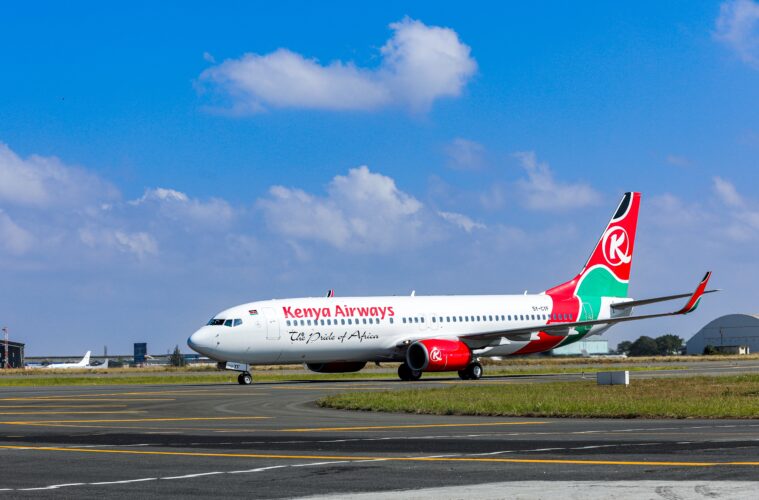
Kenya Airways (KQ) has announced the adoption of Jupiter 5.0, an AI-powered pricing platform developed by FlyNava Technologies.
According to KQ, the rollout aims to eliminate the lag in traditional airline pricing, delivering more competitive fares, faster updates, and greater transparency for travelers across the airline’s network.
Before launching a new fare structure, the airline’s revenue team can run simulations to forecast the exact impact of their decisions. This means KQ can respond to market fluctuations with unparalleled speed while maintaining absolute visibility and traceability.
What Kenya Airways AI use promises travelers
- Prices that accurately reflect real-time market dynamics.
- Swift adjustments to fare promotions and seasonal shifts.
- A more reliable booking experience from search to checkout.
“Jupiter 5.0 will help us manage pricing complexity with both speed and discipline,” says Hellen Mathuka, Chief Strategy and Innovation Officer at Kenya Airways. “It enables faster decisions while improving oversight and accountability across our pricing process, helping us respond to dynamic market conditions in a way that supports stronger customer value.”
The partnership highlights a growing trend of major African carriers leveraging AI to to scale their operations. FlyNava Technologies is backed by IdeaSpring Capital and is powered by Amazon Web Services (AWS) infrastructure.
The dark side of AI Pricing
While the revenue benefits for airlines are clear, the adoption of AI pricing across the aviation industry comes with significant corporate, ethical, and legal vulnerabilities.
1. Surveillance Pricing
AI enables a pivot toward hyper-personalized pricing. If an algorithm deduces an individual’s urgency based on browsing history or device type, it may display a higher fare. This can lead to a severe erosion of consumer trust.
2. The accountability gap
Modern deep learning systems often operate as black boxes, meaning even the software engineers who built them can’t fully trace why an algorithm decided a specific seat should cost an exact amount. If a system glitches or prices a route erratically, frontline customer service agents lack the transparency to explain the discrepancy to an angry public.
3. Regulatory landmines
Governments are aggressively playing catch-up to algorithmic pricing models, targeting potential price gouging. Furthermore, if competing airlines end up utilizing overlapping third-party AI software vendors, their respective systems can independently learn that matching each other’s high prices yields the best mutual return. This creates an uncoordinated cartel effect which is against consumer rights.
4. Operational blind spots during crises
An AI is programmed to optimize for revenue, not human empathy. Without rigid guardrails, an unguided AI might automatically spike ticket prices by 500% say during a severe weather disruption to capitalize on a sudden surge in desperation.