


The Board of the East African Business Council (EABC) has officially announced the appointment of Ahmed Farah as its new Executive Director.
With over 20 years of leadership experience, Farah is a recognized authority on trade and investment policy across Africa. His arrival comes at a pivotal moment as the region seeks to harmonize trade regulations and unlock the full potential of the African Continental Free Trade Area (AfCFTA).
Farah joins the EABC with an impressive portfolio of leadership roles in both the public and private sectors. Most recently, he served as the Country Director for Kenya at TradeMark Africa (TMA). During his tenure, he spearheaded multi-year initiatives focused on:
- Trade Facilitation: Streamlining corridor performance and customs modernization.
- Competitiveness: Enhancing the private sector’s ability to compete in global markets.
- Resource Mobilization: Cultivating high-level partnerships to fund regional infrastructure and policy reforms.
His previous experience includes serving as the CEO of the Kenya National Chamber of Commerce and Industry (KNCCI), as well as holding senior advisory positions at Deloitte East Africa and PwC.
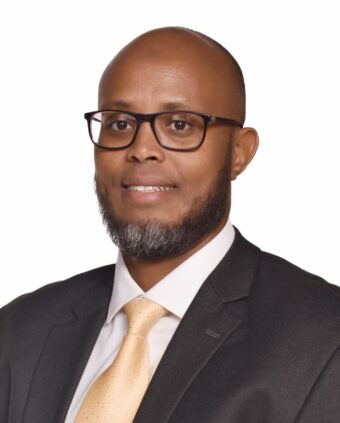
Ahmed Farah
Farah’s expertise is expected to be instrumental in:
- Reducing Trade Costs: Tackling persistent non-tariff barriers (NTBs) and logistics inefficiencies.
- Policy Advocacy: Leading high-level dialogues with Ministers and Heads of State to ensure regional commitments are implemented on the ground.
- Institutional Growth: Strengthening the EABC Secretariat and deepening engagement with National Focal Points across the eight EAC member states.
“Mr. Farah brings strong strategic leadership and a proven track record in results-oriented delivery. His appointment is a step forward in our vision of a borderless East Africa,” stated Hon. John Lual Akol Akol, Chairperson of the EABC.
Established in 1997, the EABC is the apex body of private sector associations and corporates in East Africa. It represents interests across eight countries to ensure that the private sector remains the primary engine of growth for the East African Community.