

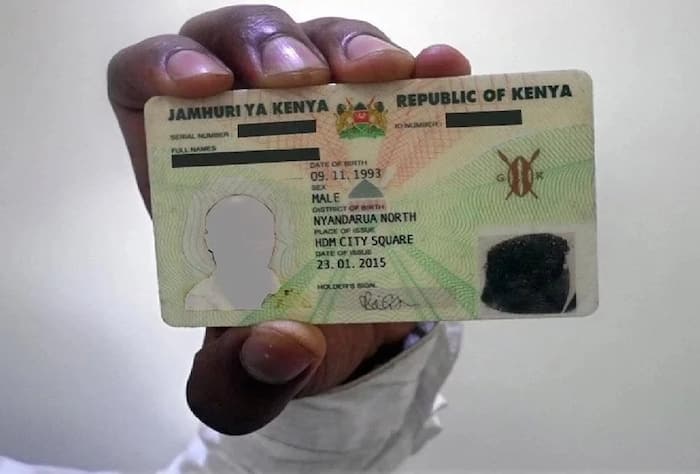
In a joint statement, a coalition of human rights and advocacy organizations marked the one-year anniversary of the historic decree that abolished the discriminatory vetting process for national identity cards.
While the partners lauded the government’s efforts to streamline registration, they warned that a historical legacy of injustice continues to block millions of Kenyans from their citizenship rights.
The statement was co-signed by the Nubian Rights Forum, Namati Kenya, Haki Centre, Pastoralists Rights and Advocacy Network (ParaNET), and the Haki na Sheria Initiative.
Since the decree was issued, the landscape of ID issuance in Kenya has undergone significant shifts. The coalition highlighted several positive transformations, including:
- The formal abolishment of vetting committees.
- The implementation of new registration guidelines.
- The waiver of fees for first-time applicants.
- A noticeable reduction in overall processing timelines.
However, the organizations argue that these improvements primarily benefit new, first-time applicants. For those historically marginalized by religion, ethnicity, or geography, the end of vetting has not yet translated into the acquisition of an ID.
“Abolishing vetting was an important first step but it did not remedy the historical legacy of this injustice,” the statement reads. “Many Kenyan citizens are still carrying waiting cards that have expired, or worse, have no documents at all because they were turned away for years.”
The coalition cited the case of 47-year-old Adan Ibrahim from Wajir County. After losing his waiting card in a well in 1997, Ibrahim spent nearly three decades trapped in a loop of rejected applications due to the old vetting system.
The statement points out a “documentation trap”: parents denied IDs in the past were often unable to secure birth certificates for their children. This has created entire generations of undocumented families, effectively passing down “statelessness” to the youth.
Despite the official decree, the partners documented inconsistencies in how the new guidelines are applied. In some regions, registration officers reportedly continue to exercise “extra scrutiny” that mimics the old vetting process, keeping the discriminatory practice alive under a different guise.
To ensure that the Presidential decree is not a temporary fix, the coalition of civil society organizations is urging the government to take five specific steps:
- Legal Enshrinement: Amend the Registration of Persons Act (specifically Sections 8(1a) and 16(ba)) to permanently outlaw vetting.
- Appeals Process: Establish independent mechanisms for citizens to appeal delayed or rejected applications.
- Affirmative Action: Launch targeted measures to register those historically excluded, including those with expired waiting cards.
- Mobile Outreach: Expand the Usajili Mashinani initiative to reach rural and nomadic populations who remain underserved.
- Standardization: Provide enhanced training for registrars to ensure fair and consistent ID processing across all counties.