

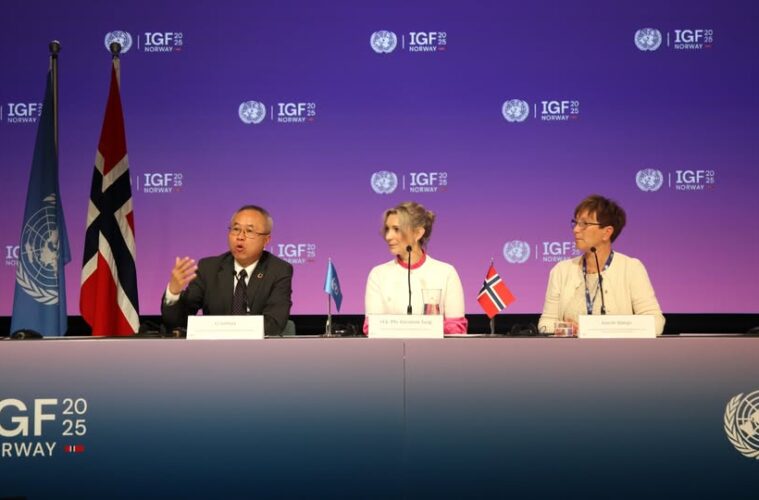
Kenya has been selected to host the 21st Global Internet Governance Forum (IGF) from December 14–18, 2026. Kenya will become the first African nation to host the prestigious United Nations-backed summit twice, having previously served as the host in 2011.
The 2026 forum arrives at a critical juncture for international digital policy. Following Resolution 80/173 passed by the UN General Assembly in late 2025, the IGF has been established as a permanent body. This permanent status recognizes the forum as the primary multistakeholder platform for navigating the complexities of the global digital future, moving away from its previous temporary mandate.
The Nairobi summit will build upon the foundation laid during the 20th IGF held in Lillestrøm, Norway. The Norwegian summit, themed Building Digital Governance Together, focused heavily on the ethical dimensions of Artificial Intelligence and the rising threat of AI-driven misinformation to democratic stability.
The December global summit will be the culmination of a year of intense policy activity in the region. Leading up to the event, the Kenya ICT Action Network (KICTANet) will convene the second Africa Tech Policy Summit (AfTPS) in May 2026.
According to organizers, the AfTPS serves as a strategic bridge intended to align African perspectives on three critical pillars:
- AI Regulation: Crafting frameworks that protect citizens while encouraging innovation.
- Data Sovereignty: Ensuring African nations retain control over their digital resources.
- Digital Identity: Expanding access to digital services across the continent.
Several locally-led initiatives are being integrated into the preparatory cycle to ensure diverse voices are heard:
- The Kenya Children’s IGF: Led by the Watoto Watch Network, this initiative empowers young users to contribute to policies regarding cyberbullying and data privacy.
- Kenya School of Internet Governance (KeSIG): Now in its 11th edition, this program focuses on training the next generation of policy leaders to participate in global discourse.
- Infrastructure Resilience: Regional discussions will focus on making Africa’s digital infrastructure more robust against global disruptions.