

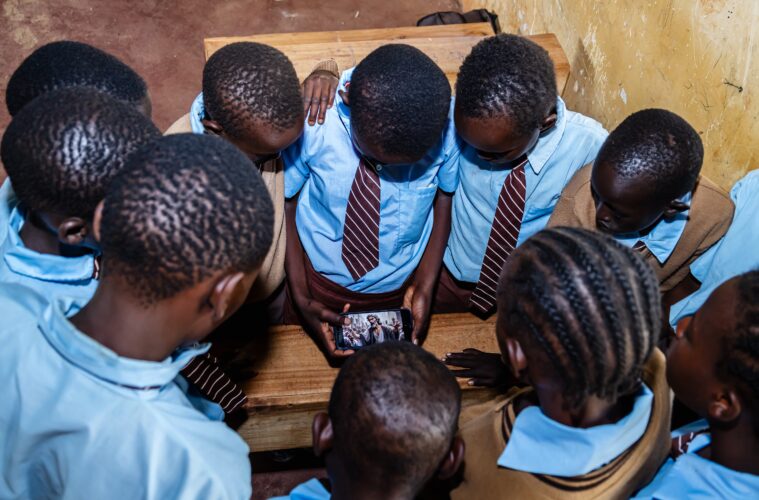
This Monday, April 27, the gates of public schools across Kenya will swing open for Term Two, the 14-week marathon term. This is the stretch that defines the academic year, demanding the highest expenditure for science laboratories, sports, and the daily meals that keep 11 million learners focused.
While the Executive branch of Government enjoys a bottomless reservoir of credit, the education sector is being forced to survive on less than half of its promised budget.
In Kenya, Free Education is increasingly becoming a term of fiction. For this upcoming term, the chasm between the law and the reality of the classroom is staggering.
| Learner Category | Statutory Promise (Per Student)
Ksh. |
Actual Disbursement
Ksh. |
The Funding Gap (%) |
| Secondary School | 6,673 | 3,094 | -53.6% |
| Junior Secondary (JSS) | 15,000 | 9,810 | -34.6% |
This is no accounting error. Between 2020 and 2024, the state borrowed Ksh. 76.9 billion from its children by failing to meet capitation requirements. For this term alone, the Sh26.61 billion deficit isn’t just a number; it represents empty chemistry beakers, cancelled feeding programs, and the collapse of school infrastructure.
The unfairness of the system is best seen in the contrast between the austerity forced upon schools and the abundance”enjoyed by the Executive. While headteachers are harassed by suppliers for unpaid maize and bean invoices, the corridors of power remain flush with cash.
- State House vs. The Classroom: While schools are told there is no money to cover a Sh26 billion deficit, State House has managed to spend Sh89 billion in under four years.
- The High-Flyer Gap: The Deputy President’s office reportedly spent Sh153 million on helicopter travel in just 75 days. This single travel budget could have fully funded the capitation deficit for thousands of students for the entire year.
- The Stabilization Myth: The government successfully “found” Sh17 billion for a fuel stabilization fund that failed to lower pump prices, yet claims the treasury is dry when it comes to stabilizing the price of a child’s education.
When the government provides only 46% of what is required, it is effectively taxing the poor to cover for the excesses of the elite. We are witnessing an administration of anger where political functions and funny projects are treated as emergencies, while the intellectual infrastructure of the nation is treated as an optional expense.
As schools reopen this Monday, the Bottom-Up promise by President Ruto has reached its Bottom-Out reality. We are demanding that a generation compete in a globalized digital economy while we refuse to pay for their local lunch or their basic textbooks.
Kenya is currently dreaming in installments, but the children are being billed in full. In this economy, the interest on a lost education is a price this country will be paying for decades to come.
Goodnight, Kenya. May your dreams survive the budget.