

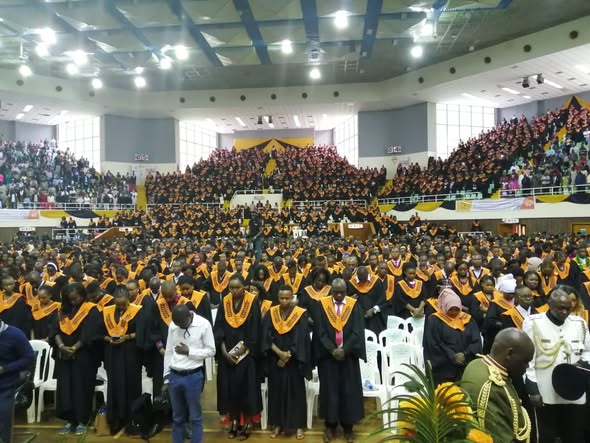
On April 20, 2026, the Technical and Vocational Education and Training Authority (TVETA) issued a directive that can only be described as an administrative execution. By revoking the accreditation of the Kenya Institute of Management (KIM) and declaring nearly a decade’s worth of certificates void, the regulator has not only targeted an institution, it has declared war on the futures of over 100,000 students and alumni.
KIM is not a backstreet college; it has been a cornerstone of Kenyan professional training since 1954. Yet, with zero prior warning and a complete disregard for the rules of natural justice, TVETA moved to shut down all 13 campuses instantly. The sheer arrogance of the decision is breathtaking: the Authority claims that any qualification earned at KIM since 2018 is now unrecognized.
This means that a professional who graduated eight years ago, who has used that diploma to build a career, support a family, and pay taxes, is now—on paper—unqualified.
If KIM was operating outside its mandate as early as 2018, where was TVETA for the last eight years?
- Regulatory Failure: By allowing students to enroll, pay fees, and sit for exams for nearly a decade before intervening, TVETA has admitted to its own massive failure in oversight.
- The Oct 2025 Farce: Reports indicate that KIM received accreditation approvals as recently as October 2025, with some licenses valid until 2031. For the regulator to flip-flop so violently six months later is not “safeguarding quality”—it is administrative sabotage.
The immediate effect of this closure has triggered a domino effect of misery. Banks have reportedly began closing KIM’s accounts, service providers are pulling out, and thousands of students have been left standing outside locked gates.
For the innocent young people of Kenya, this is a financial and emotional heist. These students are not the ones who failed to comply with Section 17(3) or Section 23(1) of the TVET Act, the institution and the regulator did. Yet, it is the student who loses their tuition money, their time, and their credibility in the eyes of employers.
In a move that highlights just how terrible this decision was, the High Court of Kenya (Justice W. Musyoka) halted the closure on April 22, 2026. The court recognized the urgent and unreasonable nature of the shutdown, granting KIM leave to challenge the decision and suspending TVETA’s notice.
The judge’s intervention serves as a scathing indictment of TVETA’s shoot first, ask questions later approach. A regulatory body should act as a guide, not a guillotine.
The students of KIM deserve an apology, a refund, and most importantly, the recognition of the work they did in good faith. Anything less is a betrayal of the Kenyan people.