

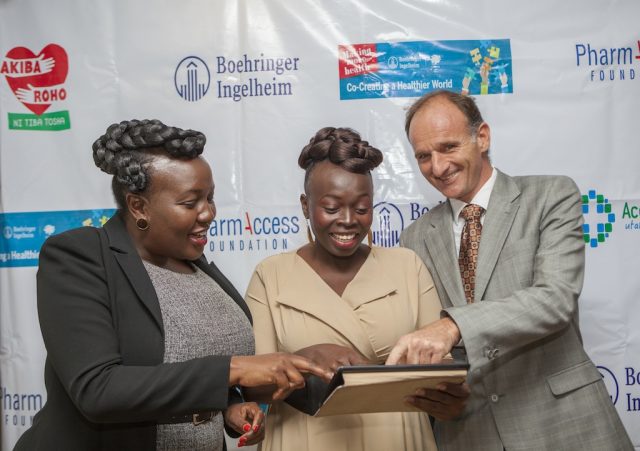
Since its launch in 2022, the Access to Healthcare program, a partnership between Boehringer Ingelheim and mPharma, has expanded its reach to more than 150,000 people in Kenya. Recently, the initiative enrolled over 10,000 new patients into long-term care management for hypertension and type 2 diabetes.
This expansion occurs as Kenya faces a rising burden of non-communicable diseases (NCDs). Data from BMC Health Services Research indicates that NCDs account for approximately 27% of deaths in the country. This trend reflects a global challenge; World Health Organization data shows that 82% of premature NCD deaths occur in low- and middle-income nations.
Common barriers to effective NCD management include:
- High costs of long-term treatment.
- Geographic distance to specialized health facilities.
- Lack of consistent follow-up support.
The Access to Healthcare program utilizes a structured care pathway rather than isolated interventions. The model integrates community screening, facility-linked treatment, and a minimum of 12 months of nurse-led coaching.
Internal assessments suggest the model improves health literacy. In a 2025 survey of 59 eligible patients who had been in the program for over a year, 81% demonstrated an understanding of symptom recognition and disease management. This structured follow-up is intended to reduce treatment interruptions and associated complications.
The program relies on a network of local and digital partners to maintain continuity of care:
- Zuri Health: As the digital health and outreach partner, Zuri Health operates mobile and pop-up clinics to facilitate screening and referrals.
- Clinical Network: To date, more than 50 healthcare centers have signed formal partnerships, with over 345 physicians actively referring patients into the program.
Hale Asikoglu, Head of Sustainable Development for Generations (IMETA) at Boehringer Ingelheim, noted that the initiative aligns with the company’s broader strategy to expand healthcare access to 50 million people by 2030.