

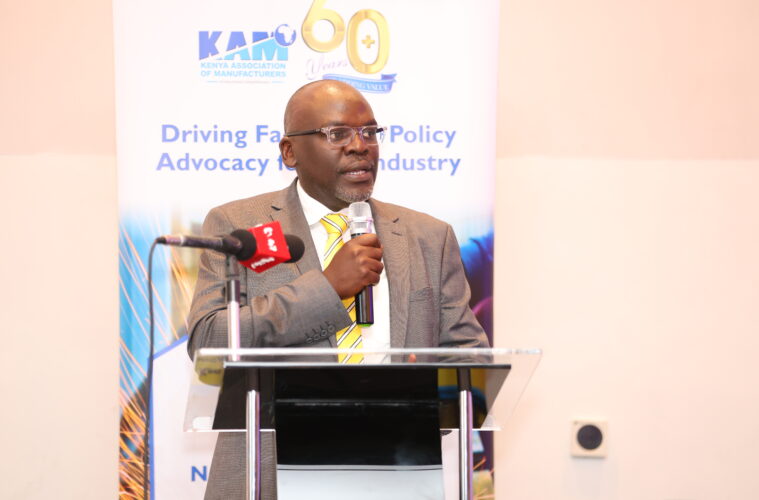
The Kenyan manufacturing sector is facing an unprecedented fiscal crisis following the government’s gazettement of the Standards (Standards Levy) Order, 2025. Issued under Legal Notice No. 136, the new directive by the Kenya Bureau of Standards (KEBS) has sent shockwaves through the business community, with industry leaders warning of dire socio-economic consequences.
While the levy rate remains at 0.2% of monthly turnover (exclusive of VAT and discounts), the 2025 Order introduces a staggering hike in the maximum payable limits. The previous cap of Ksh. 400,000 per year, which had been in place since 1990, has been raised to Ksh. 4 million for the first five years, ascending to Ksh. 6 million thereafter.
For large-scale manufacturers, this represents a 1,000% increase in financial obligations. In practical terms, businesses at the maximum threshold will pay approximately Ksh. 11,000 per day initially, rising to Ksh. 16,000 per day, inclusive of weekends and public holidays.
Industry experts point out a glaring disparity: imports are not subject to the Standards Levy. Furthermore, Kenya is the only East African Community (EAC) member state to apply such a charge. This unique levy effectively tilts the playing field against local producers, making Kenyan-made goods more expensive than those from neighboring countries.
“At a time when businesses are struggling to absorb existing costs, these measures undermine the country’s ability to attract and retain investment,” a joint statement from leading Business Membership Organizations (BMOs) noted.
The 2025 Order has also come under fire for its broad definitions. The classification of naturally grown commodities, such as flowers, as manufactured goods is being challenged as a legal overreach.
- Horticulture & Extractive Sectors: Flower growers and miners argue they already pay multiple statutory levies, inspection fees, and licenses to other agencies.
- The Cost of Service: Critics argue that a levy should be tied to service delivery. However, KEBS already charges separately for standard marks, diamond marks, and testing services. Some companies now face a total annual payout to a single regulator exceeding Ksh. 8 million.
The timing of the levy is particularly precarious. Most manufacturing operations are sustained through credit, meaning businesses may have to borrow money to pay a levy on turnover that hasn’t even translated into actual sales yet. As these costs cascade through the supply chain, the ultimate burden will likely fall on the Kenyan consumer through higher prices for basic goods.
The matter is currently before the High Court, with a hearing scheduled for April 13, 2026. In the interim, a coalition of associations, including KAM, KEPSA, and the Kenya Flower Council, is calling for immediate intervention:
- Immediate Suspension: Reverting the Order to allow for comprehensive stakeholder engagement.
- Independent Review: An audit of KEBS’s financing framework to ensure it aligns with constitutional principles of fair taxation.
- Specific Exemptions: Removing the levy from sectors like horticulture and pharmaceuticals, as well as firms operating under Special Economic Zones/EPZs.
- WTO Alignment: Harmonizing fees to ensure they reflect the actual cost of services rendered rather than serving as a revenue-generation tool.