

A decades-old environmental mystery has reached the steps of the courtroom as over 300 residents from the Marsabit region of Kenya have filed a lawsuit against energy giant British Petroleum (BP) and the Kenyan government.
The petitioners allege that toxic waste dumped during oil exploration in the 1980s has triggered a catastrophic health crisis, leaving a trail of cancer and death through their community.
In the quiet village of Kargi, the toll of the alleged contamination is visible on the faces of its people. For one resident, the tragedy is personified by his son, Chamuset, who must now speak through a tube after being diagnosed with throat cancer six years ago.
“My son Chamuset will spend the rest of his life talking through this pipe,” his father shared. “His wife died of stomach cancer in 2018. This is not the only case in this village; almost everyone here has lost someone.”
Kargi is a remote, arid village located in Marsabit County, Kenya, situated approximately 50 kilometers from Marsabit town and 430 kilometers from Nairobi.
Residents describe a grim reality where cancer has become the leading cause of death, claiming the lives of men, women, and the youth with alarming frequency.
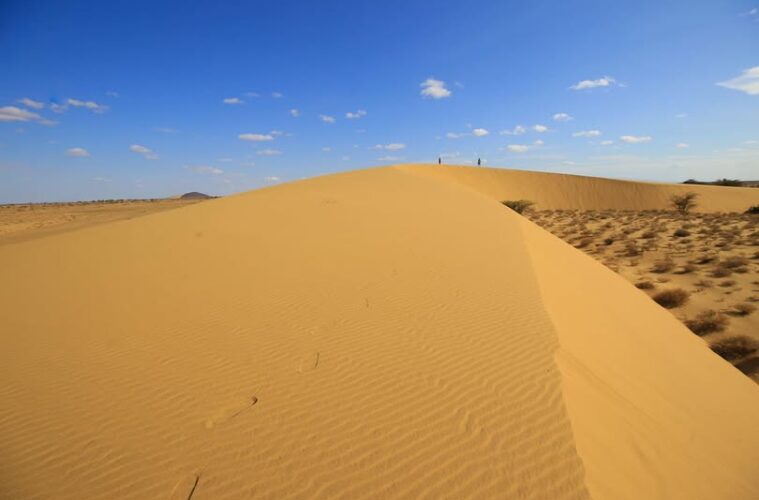
The roots of the community’s grievances stretch back to the 1980s. During that decade, the energy firm Amoco arrived in the region to prospect for oil in the Chalbi Desert. While the company eventually left after finding no oil, residents claim they left something far more permanent behind.
Locals believe that instead of disposing of industrial materials properly, workers dumped toxic waste directly into the environment. This waste is believed to have seeped into the local water table, poisoning the primary resource for both the people and their livestock.
In 1998, BP acquired Amoco, and with it, the legal liabilities of its past operations. The 300 petitioners are now seeking accountability from the corporate giant, as well as the Kenyan government, for failing to protect the environment and the health of its citizens.
When reached for comment by Al Jazeera, BP declined a request for an interview and has yet to issue a formal response to the specific claims in the lawsuit.
Leading the charge for justice is Asuna Gal, a local nurse who has spent years on the front lines of this crisis. Gal was among the first to treat the sudden influx of cancer patients, watching many of her neighbors succumb to the disease.
“We are going to court because we want to know what is the cause of this cancer,” Gal stated. “Why is our government, both the county and the national government—why are they silent? We want the culprits from that Amoco company to tell us exactly what they have done.”
The lawsuit represents more than just a claim for damages; it is a demand for the truth. While legal experts warn that environmental litigation of this scale can take years to move through the Kenyan judicial system, the residents of Kargi remain resolute.
As they head to court for the first time, they carry the weight of those they have lost, hopeful that the legal system will finally address the toxic legacy that has haunted their desert home for forty years.