

Kenya’s public higher education sector is grappling with a severe financial crisis following a staggering Ksh. 13 billion drop in government funding. According to the latest data from the Kenya National Bureau of Statistics (KNBS), the decline in state capitation has left the country’s premier academic institutions struggling to bridge massive budget deficits.
The KNBS report highlights a downward trend in allocations between the 2023/2024 and 2025/2026 financial years, a period marked by the government’s transition to a new higher education funding model.
The University of Nairobi (UoN), traditionally the largest recipient of state support, has seen its funding decimated. Allocations for UoN plummeted from Ksh. 2.44 billion in the 2023/2024 cycle to a mere Ksh. 534.79 million in the 2025/2026 financial year.
The situation is mirrored across other major campuses:
- JKUAT: Funding dropped from Ksh. 2.5 billion to Ksh. 474.83 million.
- Egerton University: Allocations fell from Ksh. 1.73 billion to Ksh. 365.24 million.
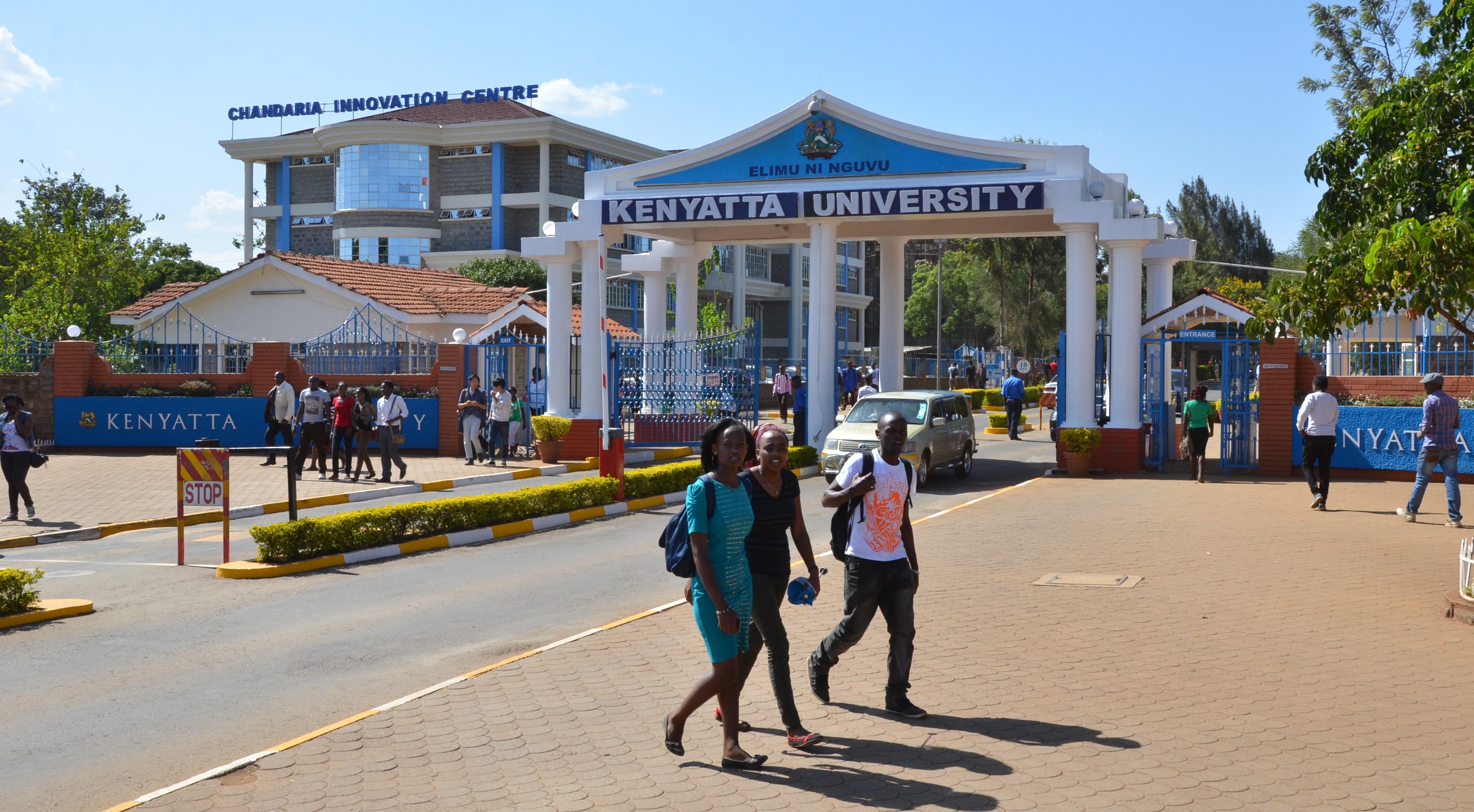
- Kenyatta, Moi, and Maseno Universities: All three institutions, which previously enjoyed budgets exceeding Sh1 billion, saw their support slashed to just over Ksh. 600 million each.
While the decline was felt across the board, technical universities recorded the most drastic percentage reductions. The Technical University of Mombasa saw its funding evaporate from Ksh. 1.06 billion in 2023 to just Ksh. 90.9 million. Similarly, the Technical University of Kenya (TUK) saw its budget cut from over Ksh. 1.1 billion to Ksh. 172 million.
The sharp decline is attributed to the implementation of the New Higher Education Funding Model. Under this system, the government has moved away from providing direct block grants (capitation) to universities based on student numbers. Instead, funding is now funneled through student-centered scholarships and Higher Education Loans Board (HELB) loans, categorized by a student’s level of financial need.
Under this model, only students placed in public universities qualify for government scholarships, though those in private institutions remain eligible for HELB loans.
The KNBS data also revealed a puzzling trend in student enrollment. While funding has decreased, the burden of student populations remains high. For instance, Masinde Muliro University saw its government-sponsored student population grow from 14,834 to 16,373, even as its funding was slashed from Ksh. 1.29 billion to Ksh. 550.79 million.
The findings come at a critical time as the 2025 KCSE candidates prepare for university placement ahead of the September intake. Education stakeholders have raised concerns that the continued decline in direct capitation could compromise the quality of education, stall research projects, and lead to the further accumulation of pending bills for public universities.
As the government continues to defend the new model as a more equitable way to support needy students, the administrative reality for the universities themselves remains one of extreme austerity and financial uncertainty.