

The death of a public figure is always accompanied by a wave of digital tributes, but it can also expose a messy and often unresolved question: What happens to a person’s social media accounts when they die?
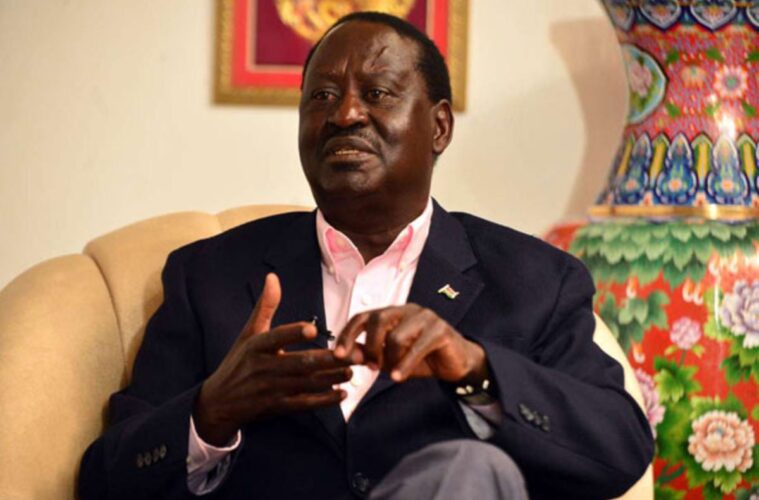
This debate recently gained sharp focus in Kenya after the passing of the Late Raila Odinga. Reports and online chatter emerged regarding his X (formerly Twitter) handle Tweeting and reposting content days after his death was confirmed. For millions of followers, seeing activity from a deceased person’s profile can range from comforting, a continued digital presence, to deeply unsettling, raising questions of control, authenticity, and digital legacy.
The controversy surrounding the Late Odinga’s active account, however, was quickly clarified, highlighting a distinct approach to digital legacy for public figures. Raila Odinga’s X account’s bio was updated to indicate that it is now managed by The RAO Foundation in his honor. This move is intended to preserve his profound legacy, share archival content, and crucially, communicate commemorative events and information on the Foundation’s ongoing activities that align with his vision for social justice and democracy.
Thank you Former First Lady, H.E. Mama Ngina Kenyatta and your family for joining the nation in mourning and coming home to commiserate with H.E Mama Ida Odinga and the family of the late Prime Minister, Rt. Hon. Raila Amolo Odinga, CGH. pic.twitter.com/k1iQphdTdD
— The Raila Odinga Amolo Foundation (@RailaOdinga) October 30, 2025
This situation highlights the stark reality of the “digital afterlife”: a legal and ethical grey area where platforms have inconsistent policies, and the family’s or foundation’s need to maintain a critical communication channel often clashes with corporate terms of service designed for the average user.
The three fates of a deceased Social Media account
When a user passes away, their digital identity faces one of three primary outcomes, each governed by the policies of the specific social media platform:
1. The memorialization (Facebook and Instagram)
Facebook (and its subsidiary, Instagram) has the most formalized system for digital legacy.
- The “Remembering” Badge: Upon confirmation of death (usually via an obituary or death certificate), the profile is converted into a Memorialized Account. This freezes the content as it was, adds the word “Remembering” next to the name, and prevents the account from appearing in public spaces like birthday reminders or “People You May Know” suggestions.
- The Legacy Contact: Users can proactively choose a Legacy Contact before they die. This person can perform limited actions on the memorialized page, such as pinning a tribute post, changing the profile picture, or accepting new friend requests. Crucially, a Legacy Contact cannot log into the account, read private messages, or post new content as the deceased user.
2. The deactivation or legacy management (X/Twitter)
For platforms like X (Twitter), the default official process is deactivation, but the reality for prominent figures is more complex.
1. X does not offer a public memorialization feature. Their official policy dictates that an immediate family member or executor of the estate must contact the platform with proof of death and identification to request deactivation and permanent removal.
2. The management of the Late Raila Odinga’s account by the RAO Foundation falls outside X’s formal memorialization process. This arrangement allows the account, with its massive following of 4.9 million, to remain an active voice for the causes the former Prime Minister championed, enabling the Foundation to:
- Serve as a digital archive of his speeches and political journey.
- Communicate official information about memorial services, celebrations (like the upcoming ODM 20th anniversary), and the Foundation’s work.
- Maintain a key public platform for his political and social legacy.
3. The Inactive Manager (Google/YouTube)
Google offers a proactive tool for its services (Gmail, YouTube, Google Photos, etc.) called the Inactive Account Manager.
This feature allows a user to choose a “trusted contact” who will be notified and given access to certain data if the account becomes inactive for a user-specified period (e.g., three, six, or 12 months). This is a forward-looking measure designed to transfer assets before the account is closed.
The digital estate
The central issue is the lack of universal digital inheritance rights. In most jurisdictions, physical wills do not automatically grant access to digital accounts, as the content is technically “owned” by the platform under the terms of service. The case of the RAO Foundation provides a model for public figures, showing that proactive password, sharing and clear delegation is often the only way to ensure a continued, official digital presence that serves a defined organizational purpose.
To truly manage your digital afterlife and avoid subjecting your family to an agonizing technical process, experts recommend establishing a Digital Estate Plan:
- Create a Digital Inventory: Compile a non-digital, secure list of all online accounts, usernames, and passwords.
- Use Platform Tools: Designate a Legacy Contact on Facebook and set up an Inactive Account Manager on Google.
- Appoint a Digital Executor: Name a trusted person or, in the case of a public figure, a Foundation or official entity, in your will to manage this inventory and carry out your specific wishes (deletion, memorialization, or archiving) across all platforms.
Until governments and tech companies standardize digital inheritance, the fate of our online lives will remain in the hands of whoever holds the password and the institutional commitment to uphold the deceased’s legacy.