

As the skies fill with the beat of millions of wings this May, a sobering reality casts a shadow over one of nature’s most spectacular displays. New data released by BirdLife International reveals that 40% of migratory bird species worldwide are now in decline, a statistic experts describe as a canary in the coal mine for the fracturing natural systems that sustain human life.
This urgent warning comes just days before World Migratory Bird Day (May 9) and sets the stage for a historic gathering: the Global Flyways Summit, which will be hosted in Nairobi this September. It marks the first time this landmark conservation event will take place on African soil.
A flyway is more than just a flight path; it is a biological lifeline. These routes connect breeding grounds, feeding areas, and seasonal refuges across thousands of kilometers. Currently, birds follow four major land flyways, the African–Eurasian, East Asian–Australasian, Americas, and Central Asian, alongside six marine routes.
However, the connectivity that makes these journeys possible is also their greatest vulnerability.
“Migratory birds connect us across countries, continents, and ocean currents,” says Martin Harper, CEO of BirdLife International. “Protecting these highways is how we reverse these declines. When we do, people gain too: cleaner water, food security, and more resilience to a changing climate.”
Harper emphasizes that birds are not merely travelers; they are essential workers for the planet, transporting nutrients across oceans, aiding crop growth, and even helping to prevent the spread of diseases.
The choice of Nairobi as the summit host is no coincidence. Africa sits at the crossroads of the African–Eurasian Flyway, a massive system linking the Arctic to the southern tip of the continent.
Dr. Paul Matiku, Executive Director of Nature Kenya, notes that the health of Africa’s wetlands and coastlines has global consequences. “The health of our rangelands matters far beyond our borders,” Matiku explains. “When we protect these habitats, we protect the communities that live alongside them.”
The September summit, co-hosted by BirdLife International and Nature Kenya, will convene leaders from science, finance, and policy to forge a unified plan of action. A highlight of the event will be the launch of the latest State of the World’s Birds report, providing a definitive look at the survival of these species.
The African-Eurasian connection
| Species | Significance |
| White Stork | Known for its legendary site fidelity, returning to the same nest annually. |
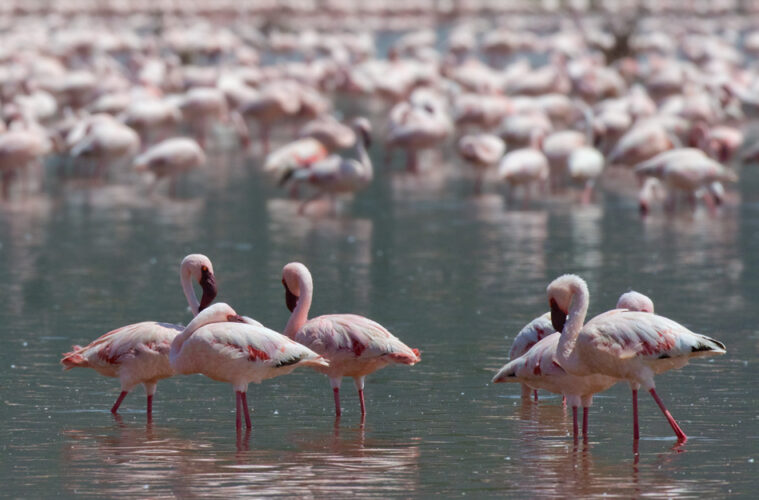
| Flamingo | A key indicator species; their movements track the health of fragile wetland systems. |
These species rely on a chain of healthy habitats. If one link, a specific wetland or estuary, is drained or degraded, the entire migratory cycle can collapse.
In observation of World Migratory Bird Day, the public is encouraged to participate in citizen science. Conservationists are asking people to head outdoors, observe local bird populations, and record their sightings.
Every data point contributed by the public helps scientists map these shifting journeys and identify which links in the flyway need the most urgent protection. As the summit in Nairobi approaches, the message from the conservation community is clear: the flight of the bird is a reflection of the health of our world.