

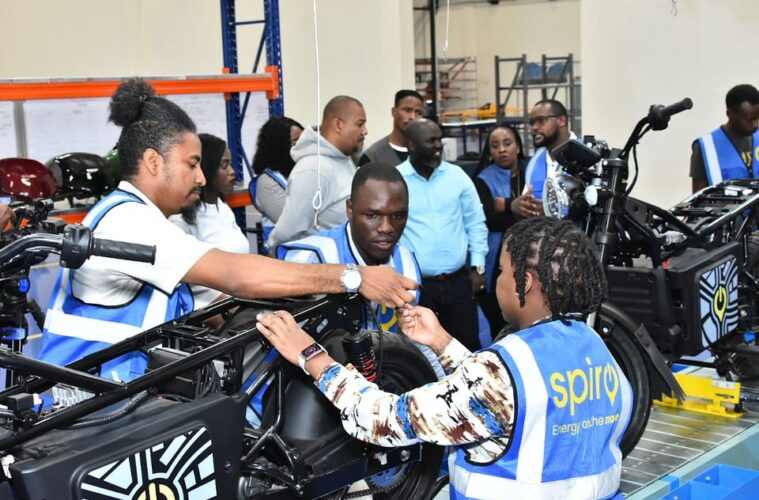
The transition to green energy in East Africa’s transport sector is hitting a major roadblock as riders raise alarms over what they describe as “exploitative” business practices by electric vehicle (EV) giant, Spiro.
While the promise of electric motorcycles (e-bodas) was sold as a way to escape rising fuel costs, many owners in Kenya and Uganda now claim they have traded one form of dependency for another—one that feels more like “digital slavery” than true ownership.
At the heart of the dispute is the price of the bike versus the reality of its operation. For an outright cost of approximately Ksh. 95,000, a rider can “own” a Spiro bike. However, that price tag excludes the most critical component: the battery.
Under Spiro’s Battery-as-a-Service (BaaS) model, the rider never owns the power source. Instead, they are locked into a mandatory subscription or swap-fee system, currently charging Ksh 290 per full charge. While this lowers the initial entry price, it creates a permanent, inescapable daily operating cost that the company controls entirely.
The most controversial aspect of Spiro’s operations in East Africa is the strict enforcement of battery usage. Reports have surfaced that if a bike is not charged or the battery is not swapped within five consecutive days, the company initiates a recovery process.
Because the bikes are equipped with GPS and remote-disabling technology, Spiro can track and repossess the vehicle if it remains dormant. For a rider who may be sidelined by illness, family emergencies, or mechanical repairs, this policy is devastating.
“I paid for the bike. It is mine,” says one Nairobi-based rider. “How can they take my property because I chose not to buy their electricity for a few days? In what other business does a seller follow you home to take back what you already paid for?”
Critics point to a glaring disparity in how Spiro operates in its home market of India compared to its African expansion.
- In India: Consumers have the option to buy the bike alongside a home-charging kit. This allows owners to charge at their own convenience and at domestic electricity rates.
- In Kenya and Uganda: Home charging is largely restricted or unavailable. Riders are forced to use Spiro’s proprietary swap stations, ensuring the company maintains a monopoly over the vehicle’s “fuel.”
By withholding home-charging technology in Africa, Spiro has positioned itself not just as a vehicle manufacturer, but as a permanent toll-gate for the rider’s livelihood.
The growing outcry has caught the attention of consumer rights advocates who are now calling on the Competition Authority of Kenya (CAK) and its Ugandan counterparts to intervene.
The primary legal concerns involve “Tied Selling” and “Abuse of Dominance.” By tying the purchase of the motorcycle to the exclusive use of their charging network and enforcing that tie with the threat of repossession. Spiro may be in violation of competition laws designed to protect consumers from unfair contract terms.
As East Africa pushes for a “Green Revolution,” the Spiro controversy serves as a cautionary tale: if the transition to electric vehicles isn’t regulated, “ownership” may become a thing of the past, replaced by a permanent lease that riders can never truly pay off.