

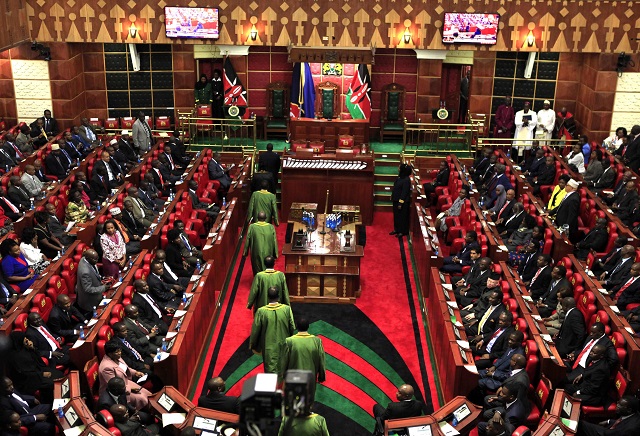
In a significant move for the medical community and thousands of Kenyan families, a formal public petition (No. 001 of 2026) has been presented to the National Assembly, calling for a radical shift in how the country manages haemophilia and other rare bleeding disorders.
The petition, brought forward by James Kago, Treasurer of the Haemophilia Association, was officially conveyed to the House by the Speaker of the National Assembly, The Rt. Hon. (Dr.) Moses M. Wetang’ula. It paints a sobering picture of the “plight” faced by both children and adults who live with these chronic, often life-threatening conditions.
At the heart of the petition is Article 43(1)(a) of the Constitution of Kenya, which guarantees every citizen the right to the highest attainable standard of health. The petitioner argues that for those with bleeding disorders, this right remains unfulfilled due to the prohibitive cost of care and a lack of specialized infrastructure.
The document highlights the devastating physical and social toll of the condition, noting that without proper management, patients suffer from:
- Irreversible Joint Damage: Frequent bleeding into joints leads to chronic pain and permanent disability (arthropathy).
- Socioeconomic Barriers: Significant periods of missed school and work, which diminish the quality of life for entire families.
- Prohibitive Costs: The specialized “prophylaxis” (preventive therapy) required for children is currently described as “extremely costly” and difficult to access.
The petition outlines a comprehensive strategy for the government to stabilize the lives of those affected. Key recommendations include:
- Essential Medicine Status: Formally recognizing clotting factor concentrates as “essential medicines” to ensure they are consistently available and affordable in the Kenyan market.
- Infrastructure Expansion: Mandating the Ministry of Health to establish additional treatment centers across the country and enhance diagnostic capacity.
- Disability Recognition: Categorizing haemophilia as a disabling condition, which would allow patients to register with the National Council for Persons with Disabilities (NCPWD) for additional support.
- Insurance Integration: Ensuring that the management of bleeding disorders is fully covered under the Social Health Insurance Fund (SHIF).
Speaker Wetang’ula confirmed that the matter is not currently pending before any court of law, clearing the path for parliamentary action. Pursuant to Standing Order 208A, the petition has been committed to the Public Petitions Committee.
The Committee is now tasked with investigating the claims and reporting its findings back to the House. If adopted, these recommendations could lead to a historic expansion of healthcare rights for one of Kenya’s most vulnerable patient populations.